Teaching materials
🌸Recommended Japanese textbooks🌸
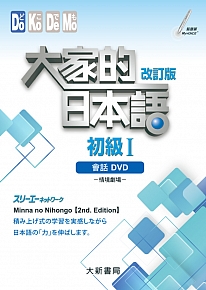
For beginners in Japanese, I personally recommend the well-known textbook series "Minna no Nihongo" because it has a very complete set of versions and is easy to access. It can be purchased at Commercial Press, Eslite Bookstore, and other bookstores. 🤠
Secondly, it's because "Minna no Nihongo" includes a large number of handwriting and listening exercises, and the textbook lessons are arranged from simple to complex, making them very relevant to daily life.🤓
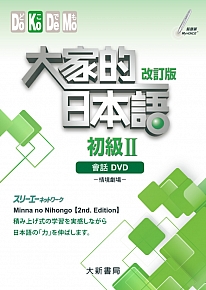
However, as a required component of every class, I will use specialized teaching materials and intersperse listening and speaking sessions based on the student's progress. 😻 Listening and speaking practice should account for at least 50% of the class time.
For example, I'll have students watch a one-minute video, then talk about the video and answer my questions. 😌
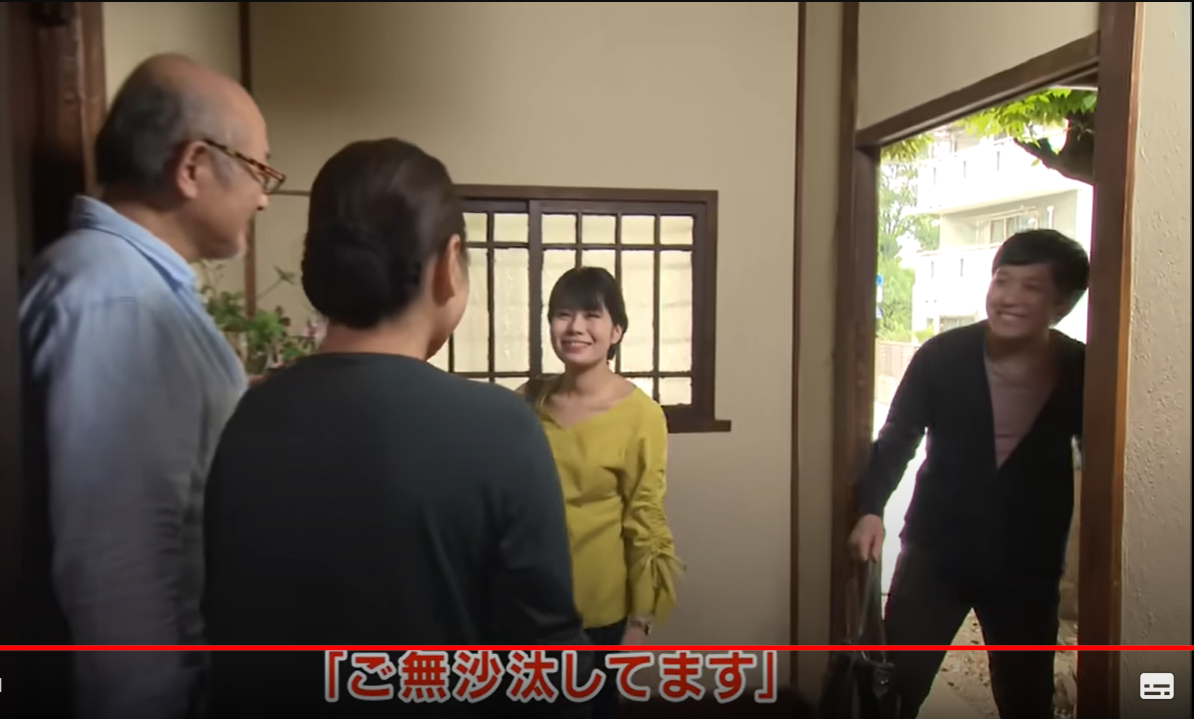
For students who are already at a high level or don't want to use textbooks, besides catching up on each other's lives, we have a "Please tell me" method to help them develop their ability to construct sentences and summarize in Japanese. For example, I might ask a student to find information about car rental services in Japan on Yahoo Japan, and then, in Japanese, "Please tell me" the approximate cost, precautions, and service coverage.🤩

🌸Children's Japanese | Preschool Japanese🌸
Because there are very few Japanese textbooks suitable for toddlers and young children on the market, the courses for toddlers and young children use textbooks that I have written or collected.
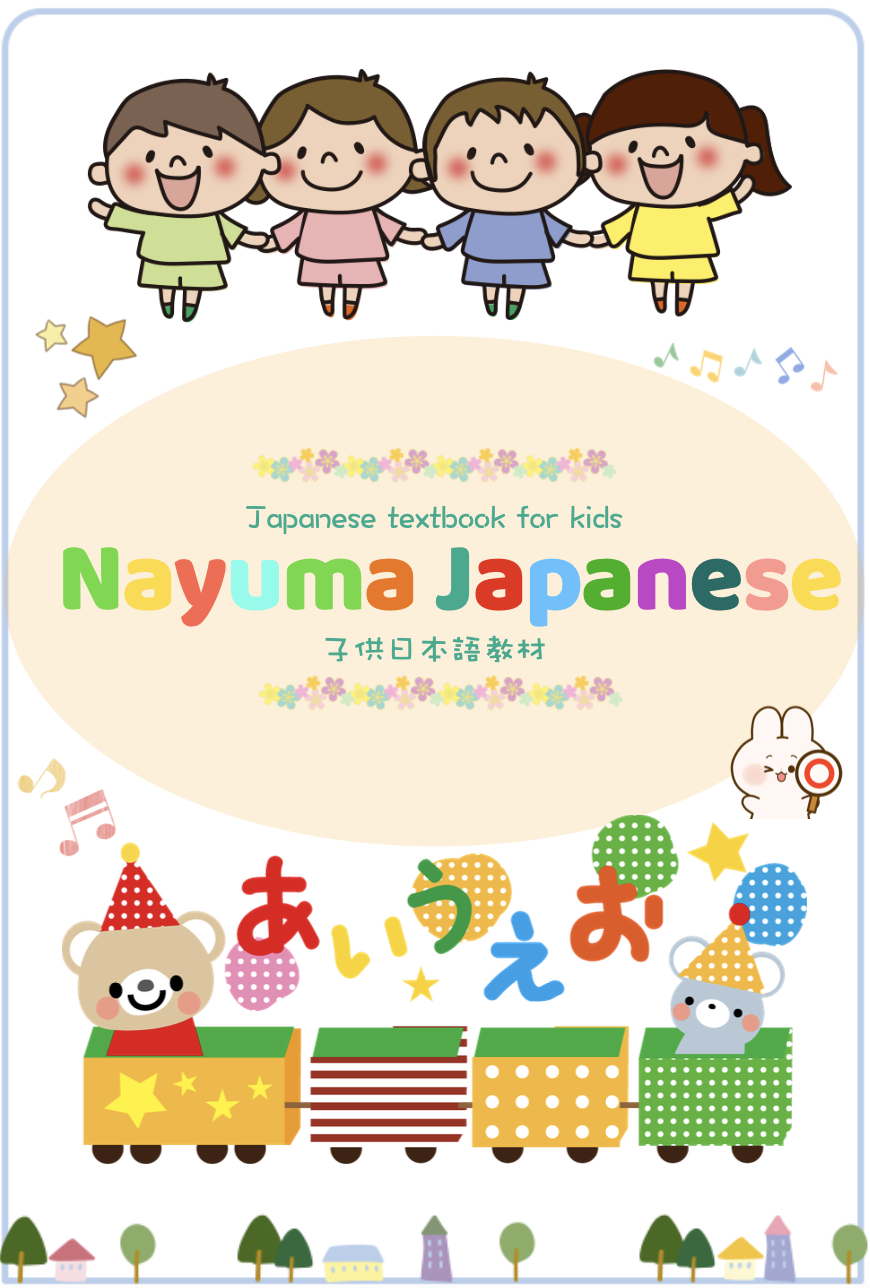
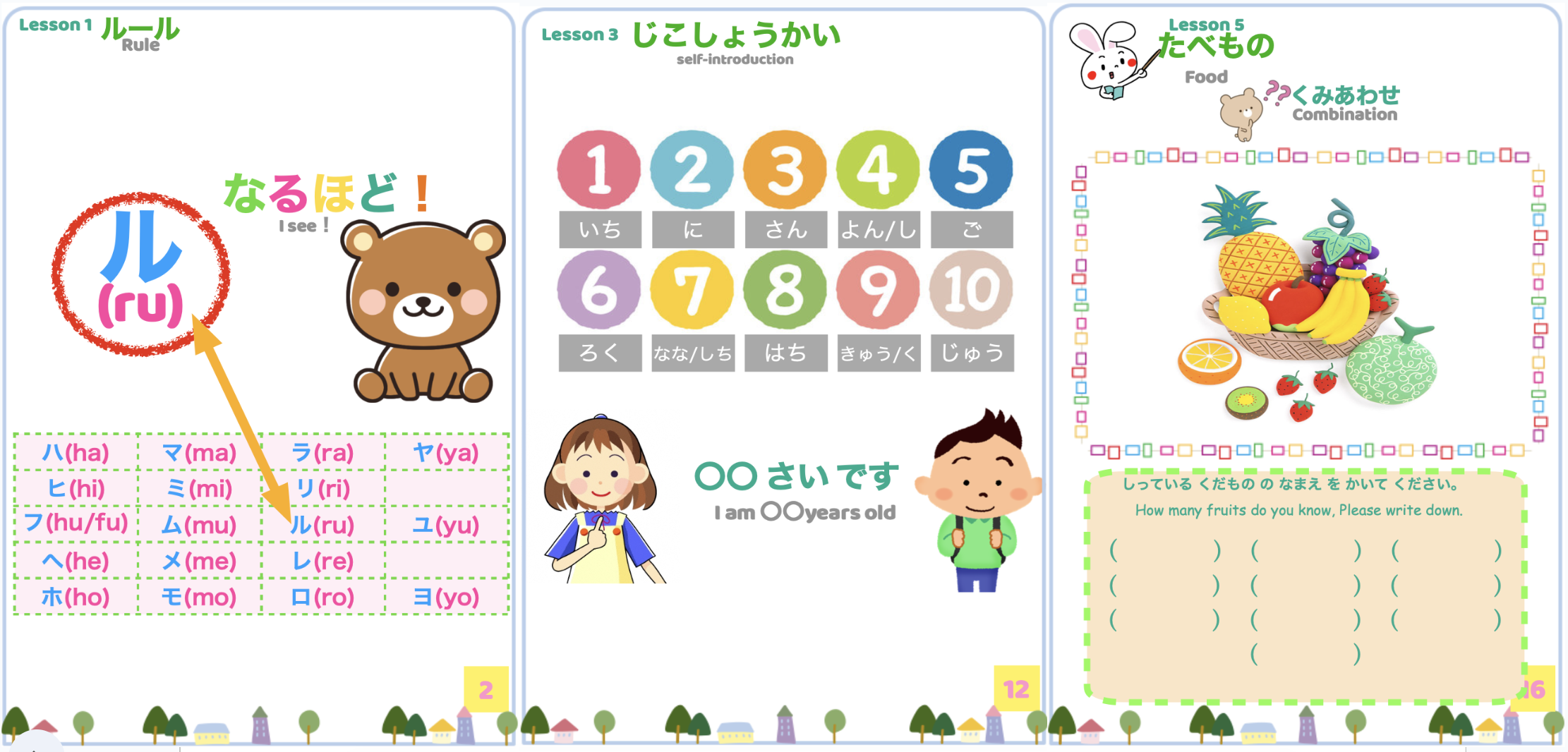
These teaching materials can be used for both face-to-face and online courses. They are usually brightly colored and lively, which will make children deeply interested in Japanese.🤩
In private class, we can even play the ukulele and sing Japanese songs together!!🎶
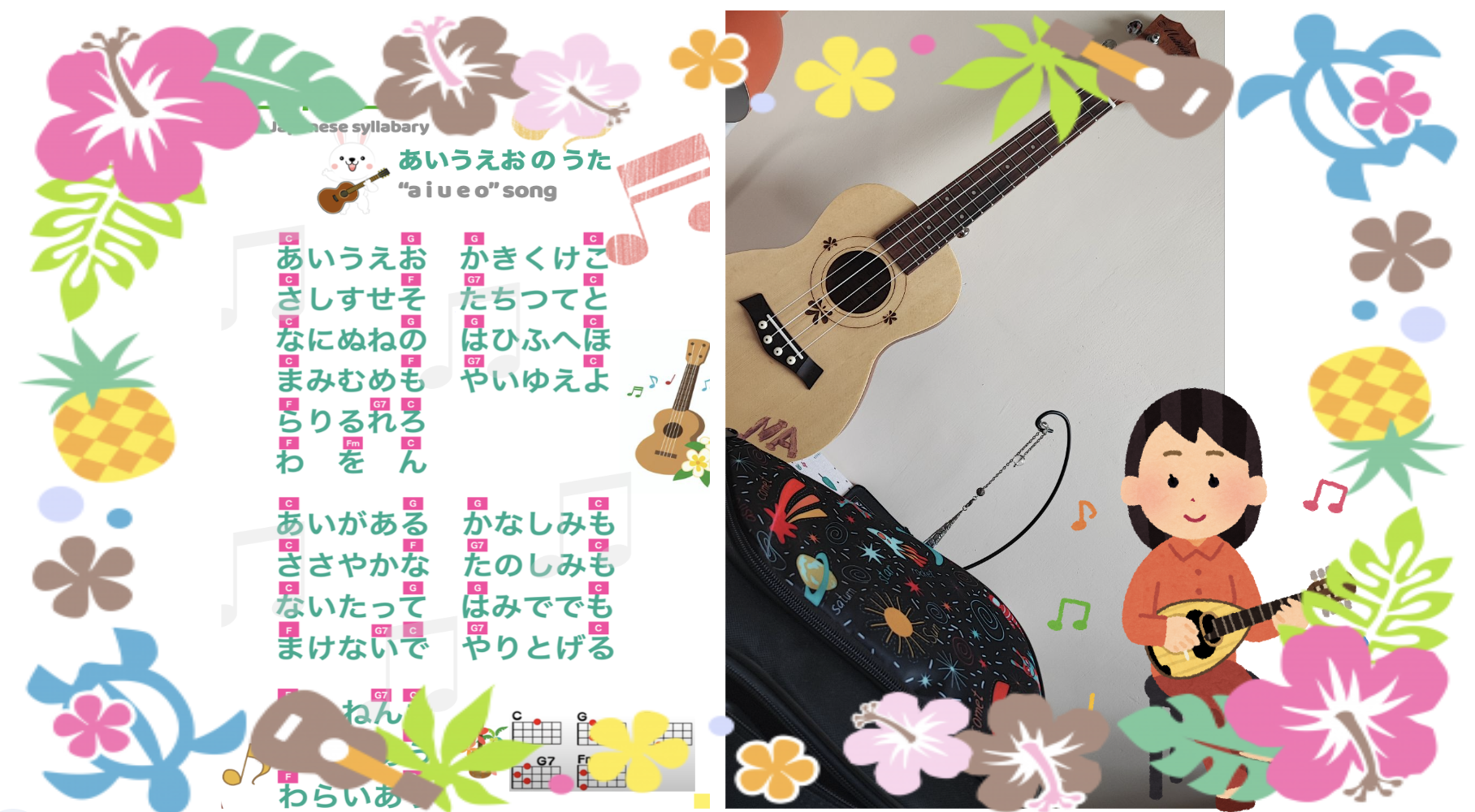
In general:
For children aged 2-4, the main approach is to introduce them to Japanese through games, fostering their interest in the language and enabling them to speak short sentences.
For children aged 5-7, the activities are all conducted through games, with the aim of helping them learn the Japanese alphabet, the names of everyday objects, and how to express their needs and greet others in Japanese.
For children aged 7-10, the main focus is on games to help them express themselves in more Japanese and speak in longer sentences.
For children aged 10 and above, it's important to consider their goals in learning Japanese. Some of my students are aiming to study at Japanese universities in the future, some are pursuing Japanese as a major, and some have already passed the N4 exam at the age of 12.😮
Because children's language skills are much better than adults', they can remember things very clearly after imitating a few times. Therefore, I believe that the most important thing in children's classes is to maintain their interest. In many cases, I will not force children to sit still and write with a pen. Instead, I will use sports or fun methods to inspire children's language skills.
🌸A portion of the Japanese game teaching materials in use🌸
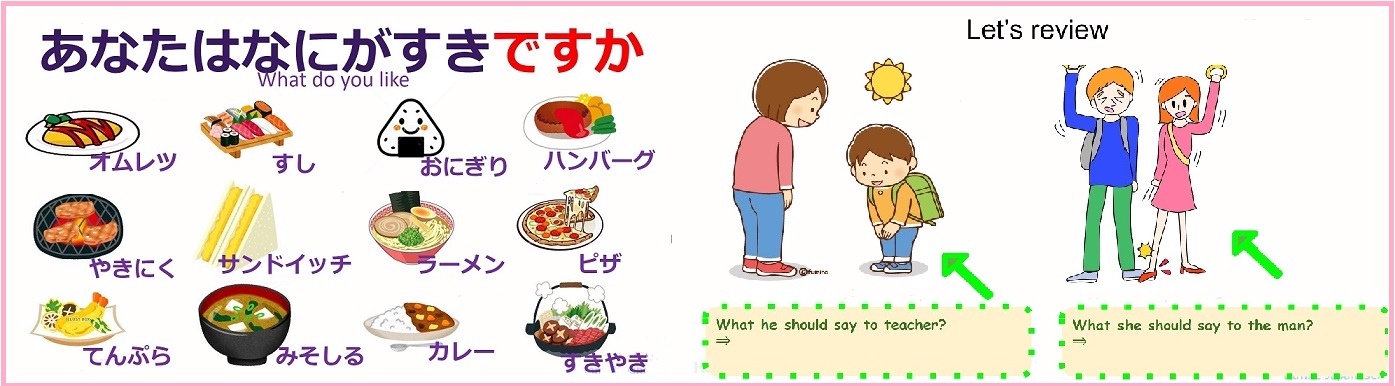
Learn letters and pronunciations through vocabulary.
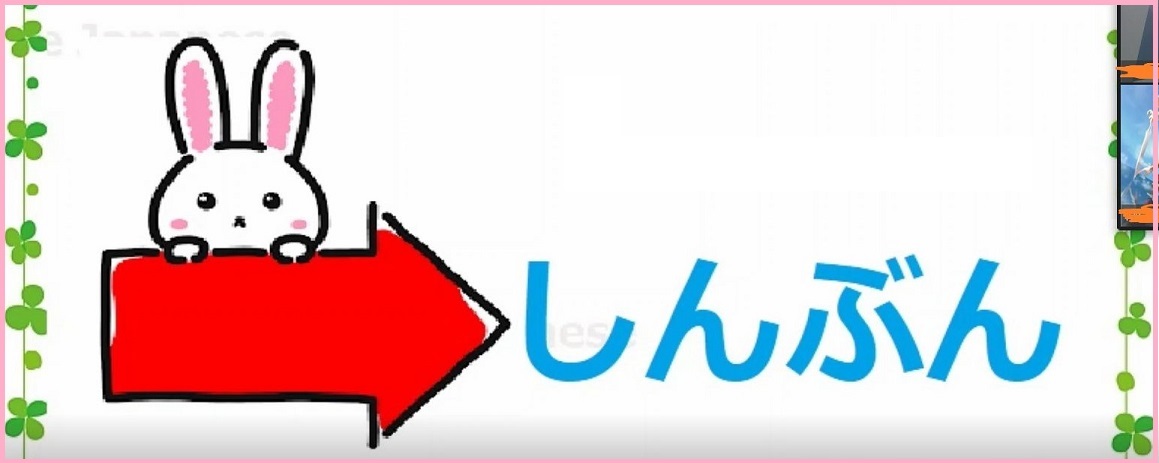
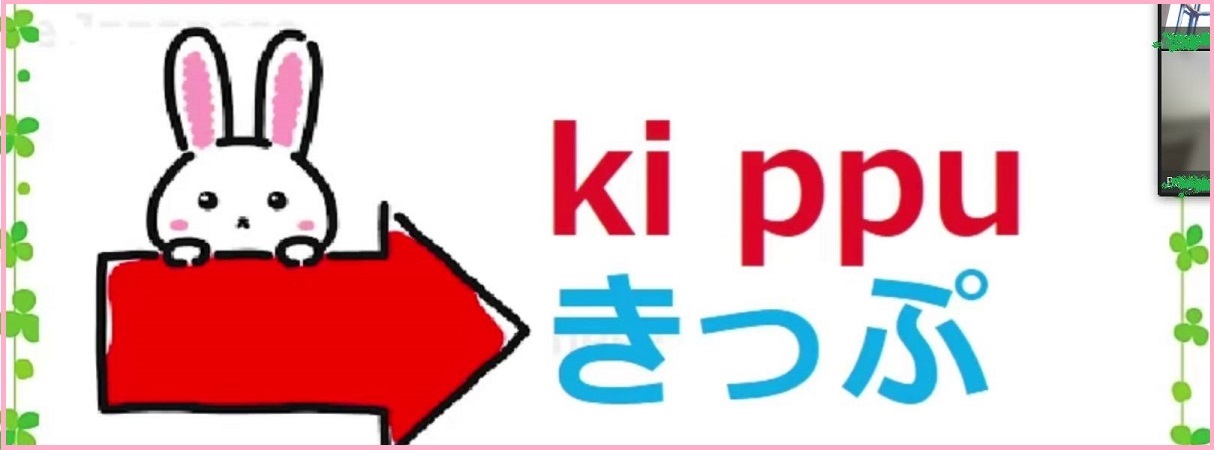
Alphabet sorting game.
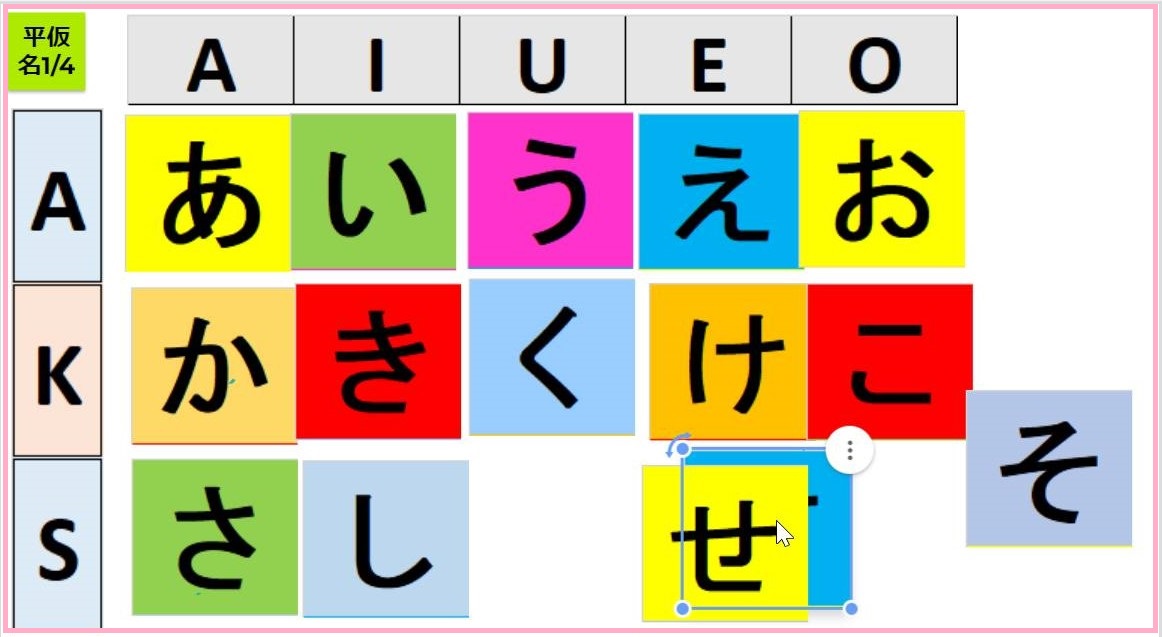

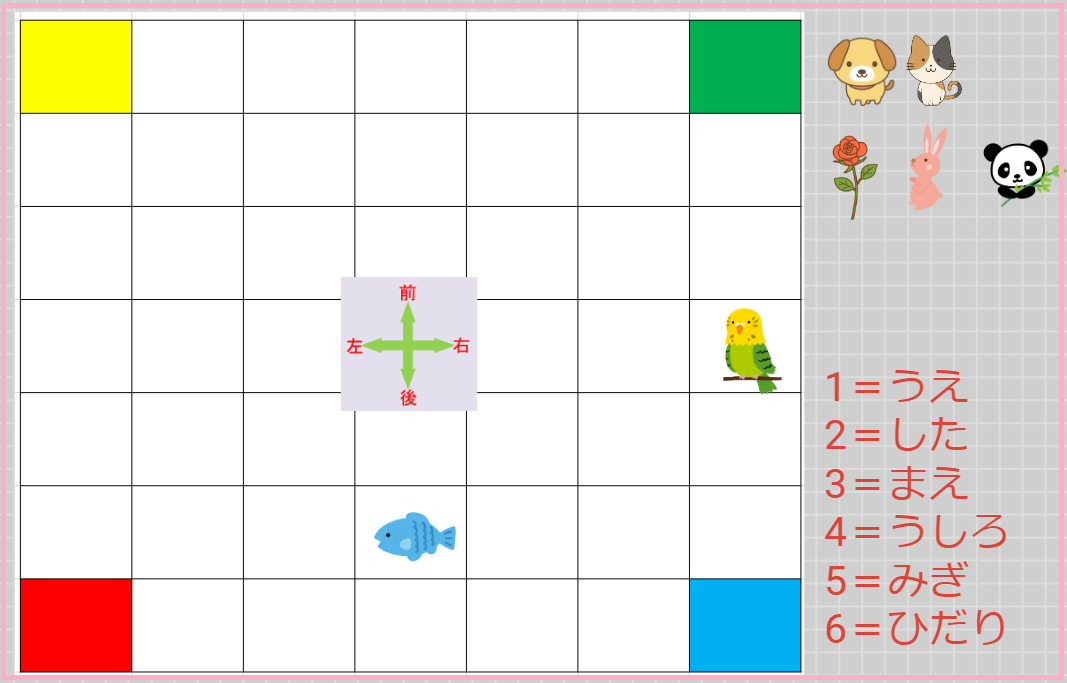
Learn directions through traditional Japanese games.
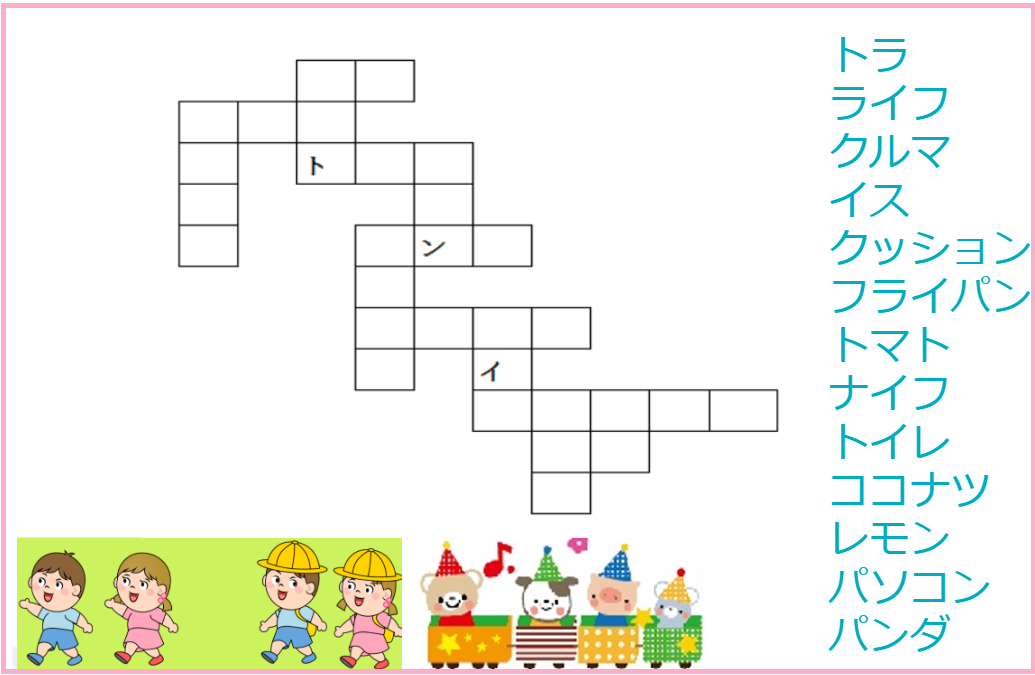
Puzzle。
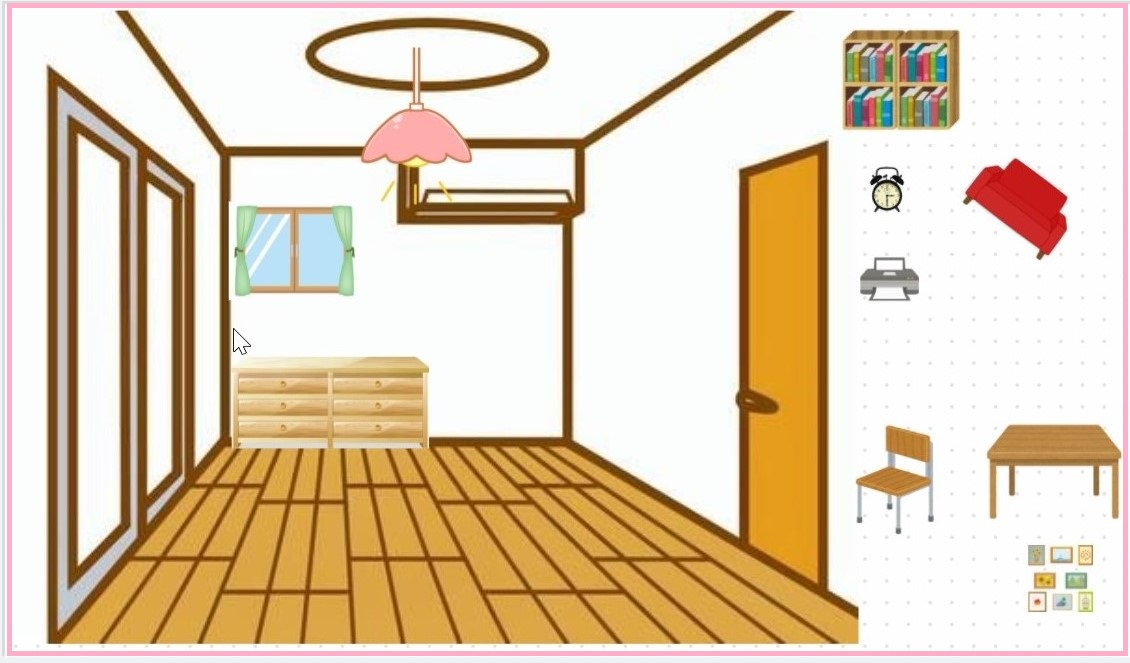
A game that requires you to decorate a room.
Play chess, follow instructions.
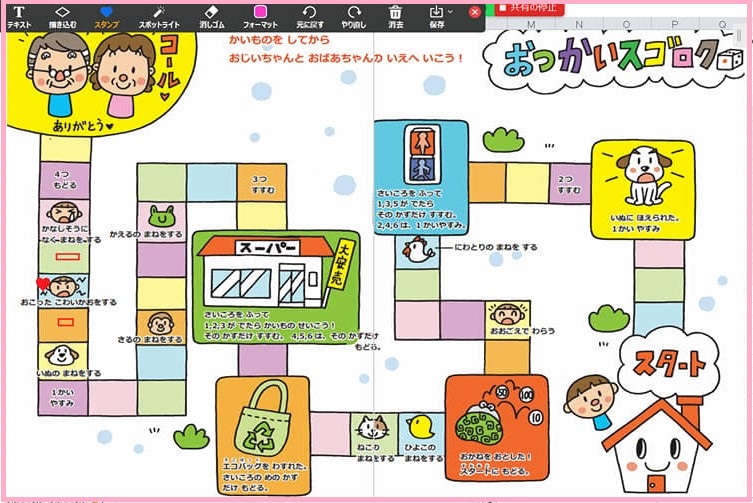
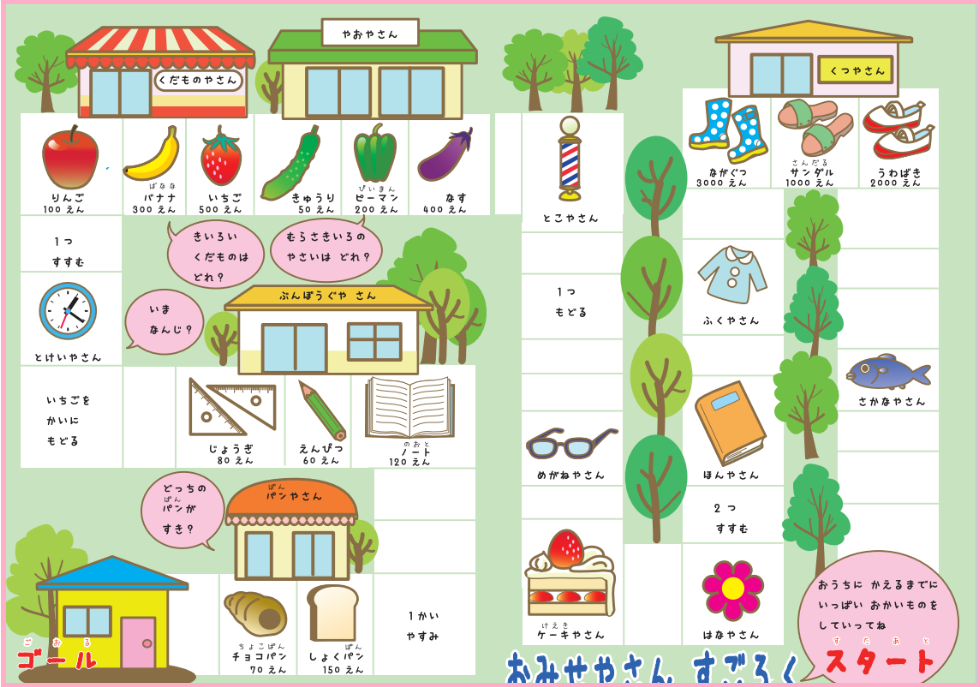
Learn the names of currency.